
Office Hours
8:00 AM - 9:00 PM
Our Location
214 Ash St E, South Saint Paul, MN, 55075
Call Us Now
888-850-7232
Still Working at 65 in Minnesota?
Medicare Options Explained
If you're turning 65 and still working, your employer coverage and Medicare
need to work together correctly to avoid penalties and coverage gaps.

Licensed - No obligation - No cost to you


Helping Minnesota residents understand Medicare and employer coverage before making a decision.
We Compare Plans From Top Providers

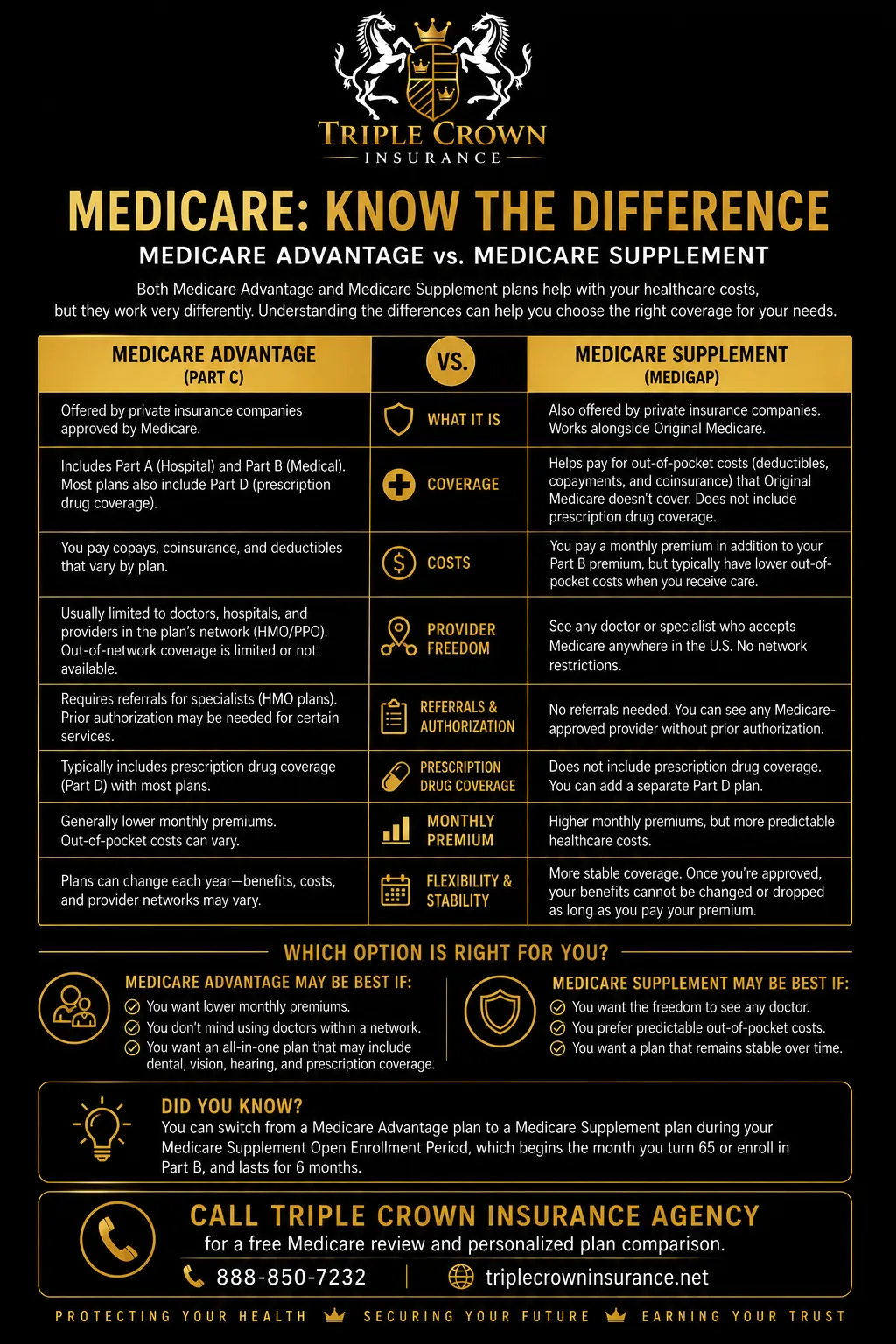
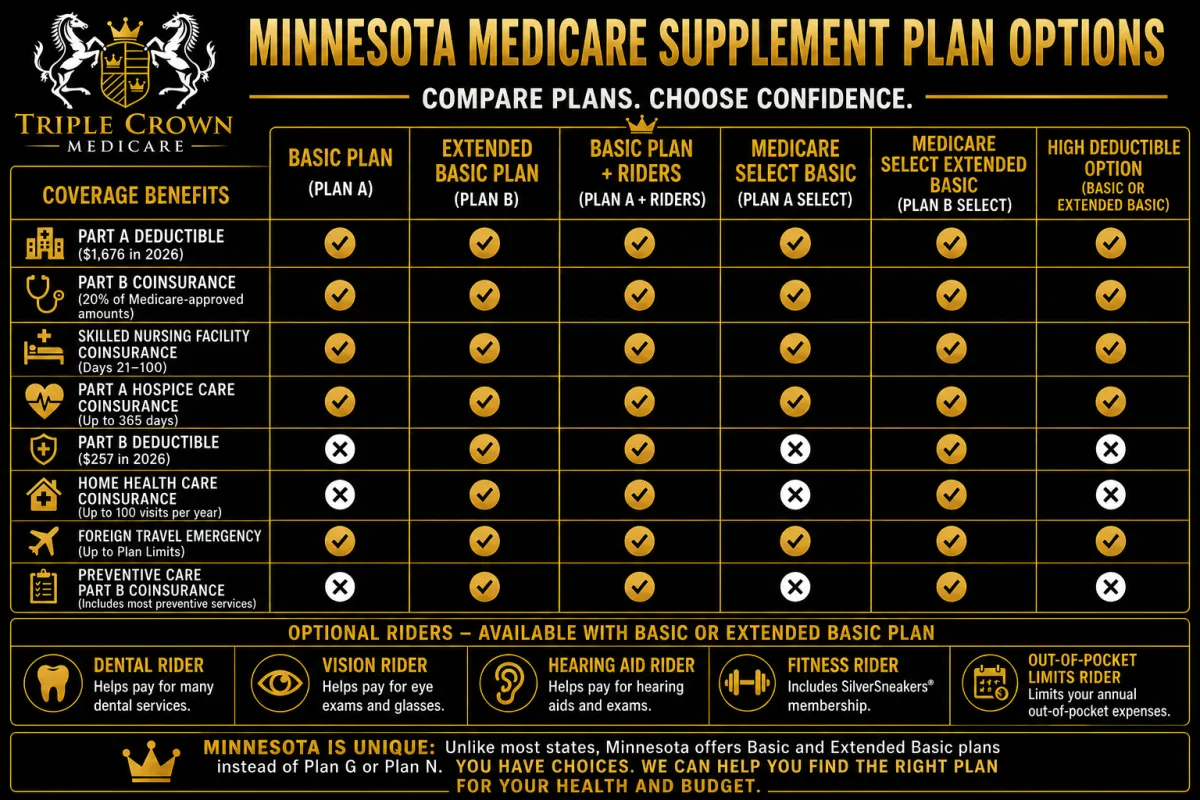
Popular Medicare Supplement plans in Minnesota are available through several insurance companies, including UnitedHealthcare, Humana, HealthPartners, Medica, and Allina Health/Aetna. Premiums, underwriting requirements, and plan availability can vary by carrier.
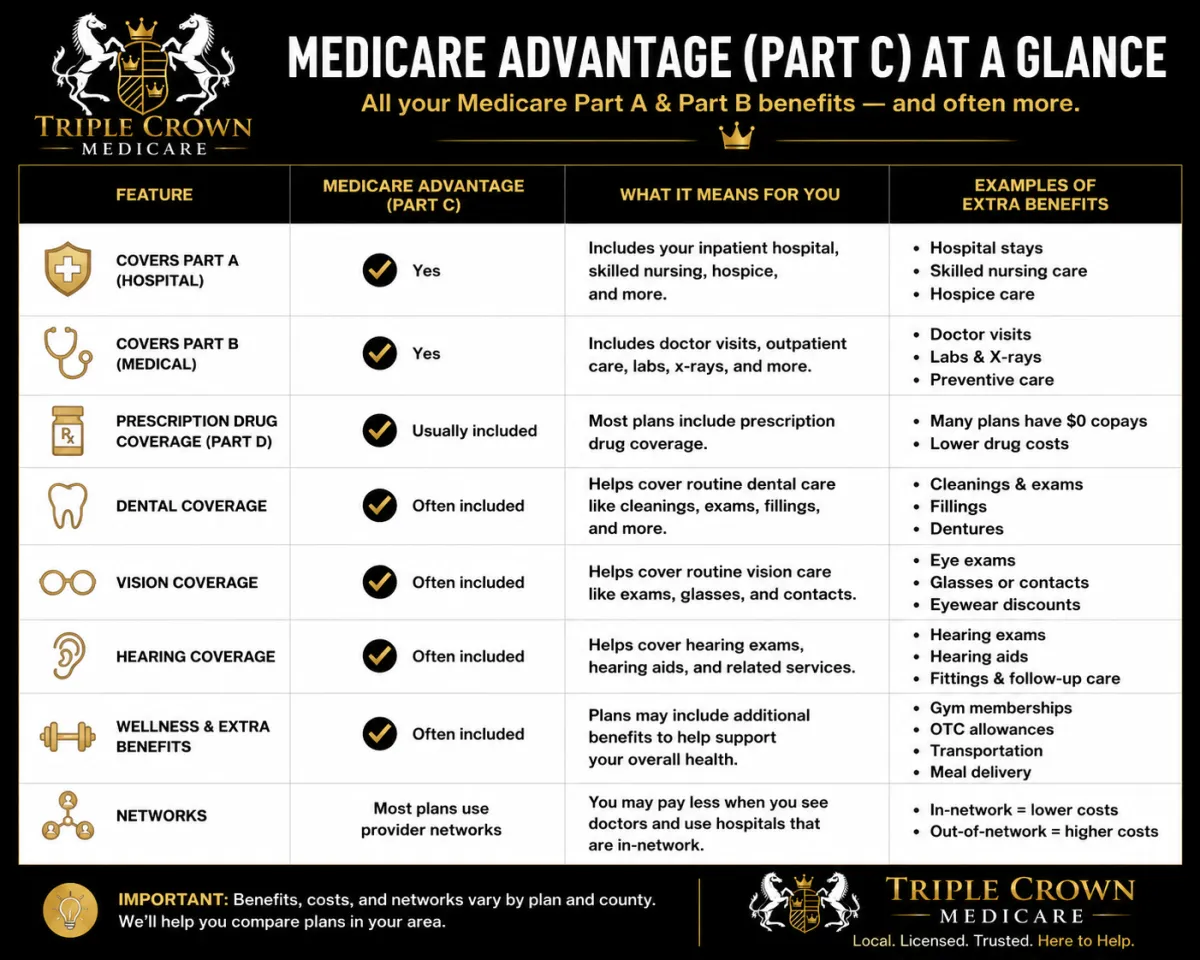
Compare Medicare Advantage plans from multiple top-rated insurance companies, including Allina Health/Aetna, HealthPartners, Medica, Humana, United Healthcare, and other leading carriers available in your area.
Do You Need Medicare If You Have Employer Insurance?
The answer depends on your employer size, your current coverage, and how Medicare coordinates benefits.
Turning 65 While Still Working Can Be Confusing
*Some people should enroll in parts of Medicare at age 65.
*Others may be able to delay coverage without penalties.
*The right choice depends on your employer size and current benefits.
*Enrolling incorrectly can create coverage gaps or late penalties later.
*A quick review helps make sure your Medicare and employer coverage work together correctly.

How Medicare Works With Employer Coverage
*Turning 65 while still working can make Medicare decisions confusing.
*Some people should enroll in parts of Medicare at 65, while others can delay.
*The right choice depends on your employer’s plan and how many employees the company has.
*Enrolling incorrectly can cause coverage gaps or late penalties later.
*A quick review can confirm what you should do based on your exact situation.
Quick Answer: When You Need Medicare at 65 vs. When You Can Delay
You may NEED Medicare at 65 if:
*Your employer has fewer than 20 employees
*Your employer plan tells you to enroll in Medicare when eligible
*You’re retiring soon or losing employer coverage
*You don’t have creditable prescription coverage
You may be able to DELAY Medicare without penalties if:
*Your employer has 20 or more employees
*You have active group coverage through your (or your spouse’s) current job
*Your employer drug coverage is creditable
*You plan to keep working past 65
What We Need From You
When you call, we’ll ask:
*Your employer size (approx. number of employees)
*Whether coverage is through your job or a spouse’s job
*When you plan to retire
*Whether you contribute to an HSA
*If your drug coverage is creditable
Not sure how your employer coverage works with Medicare? Call Triple Crown Insurance Agency at 888-850-7232 for a FREE review
When Should You Enroll in Medicare Part A and Part B?
*Many people turning 65 while still working assume they must enroll in all parts of Medicare right away, but that is not always the case. Some individuals choose to enroll in Medicare Part A at age 65 because it is often premium-free, while delaying Part B if they continue to have employer coverage. The right decision depends on your employer plan, your costs, and whether you plan to continue working past age 65.
*If your employer coverage is considered creditable and your company has 20 or more employees, you may be able to delay Part B without a penalty while you remain actively employed. However, timing matters. Enrolling too early can create unnecessary premiums, while enrolling too late can lead to penalties or gaps in coverage when you retire.
*Because every employer plan is different, reviewing your options before your 65th birthday helps ensure your Medicare enrollment timing aligns with your retirement plans and long-term healthcare needs.
*If you're turning 65 soon, a quick call can save you time, stress, and money!
What Happens If You Delay Medicare Part B?
*Delaying Medicare Part B can make sense for people who continue working and have qualifying employer coverage, but it must be done correctly. When you eventually retire or lose employer coverage, you typically receive a Special Enrollment Period that allows you to enroll in Part B without a penalty. Missing this window can result in a permanent late enrollment penalty added to your monthly premium.
*Another common issue occurs when people assume their employer coverage will automatically continue to cover everything after age 65. If Medicare should have been primary coverage and you were not enrolled, claims may be denied or leave you responsible for unexpected medical expenses.
*Understanding when your Special Enrollment Period begins and ends is important so you can transition from employer coverage to Medicare smoothly and maintain continuous coverage without added costs.
Medicare + Employer Coverage (Minnesota)
Q1: Do I need Medicare Part B if I’m still working?
A: Maybe. If your employer has 20+ employees and you have active group coverage, you can often delay Part B. If the employer has fewer than 20 employees, Medicare may need to be primary.
Q2: Should I enroll in Medicare Part A at 65?
A: Many people enroll in Part A at 65 because it’s usually premium-free, but you should confirm it won’t conflict with an HSA if you’re still contributing.
Q3: What happens when I retire after 65?
A: You typically get a Special Enrollment Period to start Part B (and a plan) when employer coverage ends—timing matters to avoid penalties and gaps.
WHY TRIPLE CROWN INSURANCE AGENCY
*Licensed, experienced Medicare guidance
*We help you compare plans (not a call center)
*Simple, pressure-free conversation
*Support before, during, and after enrollment
*We help you get it right the first time
Speak With a Medicare Agent Today
The fastest way to get answers is a quick phone call. We’ll ask a few questions and point you to the best next step based on your situation.
Prefer a callback? Request one below.
Licensed - No obligation - No cost to you
Medicare & Final Expense Direct Enrollment Link
Click Here Agent - Dustin Diesman
Click Here Agent - Ashley Luce
Schedule your NO COST review today!
Compare plans from top-rated
insurance carriers
24hr Customer service
Not connected with or endorsed by the U.S. government or the federal Medicare program. Enrollment depends on contract renewal.
Copyright©2026 - All Rights Reserved.
Proudly Representing Major Carriers Including:






Currently we represent 6 organizations which offer 80 products in your area. You can always contact Medicare.gov or 1-800-MEDICARE for help with plan choices.